




Family Support – Early Help
At Lealands High School, we offer a variety of early help support to the students we work with and their families and carers.
The aim is to identify any needs as early as possible and ensure appropriate support is implemented. Targeted early help is also known to significantly improve the outcomes for the child and their families.
Please note, early help is an approach, not a service.
| Voice of the Child | We are keen to hear what our students want to share and ensure their voice and experiences are captured. |
| Working Collaboratively | We are keen to build a positive working relationship with the parents and carers of our students. We, too, are keen to hear your views and experiences. |
| Early Help |
This starts with a conversation with a member of the safeguarding team at Lealands High School; this may also be alongside another member of staff from the school supporting your child (such as a teacher or head of year). We will talk through what’s going well and what’s not going well for you and your family. We will talk through what support and help is available. This conversation might lead to an Early Help Assessment (EHA). This will be completed by a member of the pastoral or safeguarding team and assists in capturing a ‘full picture’ about your family. It is your choice to take part in the Early Help Assessment and you can choose who else should be involved (such as if you have other children at another school, mental health or medical professionals ). You need to give your consent as your information is being shared, as it belongs to you. Agencies can’t share your information unless you agree. This is protected by law under Data Protection. With your consent, we will work with different organisations to help support you and your family. This could be liaising with a housing officer, or citizens advice for financial advice, or talking with substance misuse or mental health specialists about what bespoke, tailored and proportionate intervention support is needed. Once an Early Help Assessment is completed, the next step is a ‘Team Around the Family’ meeting. Free Parenting Course – The Solihull Approach |
| ‘Team Around the Family’ meeting |
This will be a meeting with yourself (any support you may wish to attend) and the other workers supporting your family. At these meetings a ‘lead worker’ is selected. The lead worker arranges the review meetings and is someone you can speak to at any point about issues you or your family are experiencing. The aim is to come together to make a support plan. |
| Next Steps | Hopefully, the support plan will aid in reducing any difficulties your family are experiencing. However, should there be any significant changes, we may need to escalate to Children’s Services (Multi Agency Safeguarding Hub or the Family Help Team. |
| Family Help Team | The Family Help Team provides support to families where there are intense needs. This may include domestic abuse; mental health, learning needs and disabilities, crime and anti-social behaviour, drug and alcohol misuse, no recourse to public funds, exploitation, financial exclusion. |
| Luton Children’s Services Multi Agency Safeguarding Hub (MASH) |
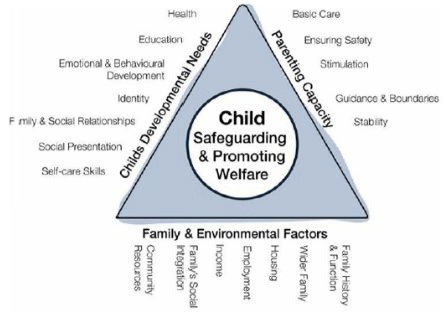
Luton MASH may also be known as ‘children’s services’ or ‘social services’. The safeguarding team at Lealands High School may refer to Luton Children’s MASH when there are significant concerns about abuse or harm. We will typically work alongside you and share that we are liaising with Luton Children’s MASH. However, there may be instances where we are unable to do so. Protecting vulnerable children is everyone’s business. Working Together (2026) details the requirements for new collaborative working arrangements for safeguarding and promoting the welfare of children, young people and families, which will lead to improved outcomes and experiences. Abuse is any form of physical, emotional or sexual mistreatment or lack of care (neglect) that leads to injury or harm. Abuse (also called significant harm) can happen to a child at any age. Abusers can be adults but not just parents or carers. Abuse can occur within a relationship of trust, e.g. a teacher, carer, family friend or youth leader. Once the referral is received by MASH, they will give us advice on next steps and contact you for your input. A plan for moving forward will be agreed. |