

Subjects
Welcome to our Subjects page, where you can explore the diverse array of courses we offer. Each subject link provides comprehensive details about the course content, examination boards and valuable resources to support your academic journey at Lealands High School.
Art & Design
|
Subject |
Art and Design |
|||||
|
Director of subject |
Mrs E. Reason |
|||||
|
Subject Intent |
‘Every human is an artist’ Don Miguel Ruiz ‘Art is much less important than life, but what a poor life without it’ Robert Motherwell Our curriculum has been developed to engage, inspire and challenge students, equipping them with the knowledge and skills to experiment, invent and create their own works of art, craft and design. As students progress they should be able to think critically and develop a more rigorous understanding of art and design. They should also know how art and design both reflect and shape our history, and contribute to the culture, creativity and wealth of our nation Our aim is to build student confidence and resilience in parallel with their skills, knowledge and understanding. KS3 - learn fundamental skills, focusing on the building blocks of creativity (formal elements). Students revisit these each year extending and refining skills and knowledge, encouraging creative exploration. KS4 - able to apply skills creatively, able to explain what they are doing and why. Students are increasingly self directed, confident and skillful practitioners |
|||||
|
Years of study |
SKILLS Yr7 - Theme based, focus on fundamental skills (formal elements: tone, shape, colour, line, composition etc) taught step by step through: drawing, painting, printmaking, 3D ceramics, graphic media. Yr8 - Revisit and build on skills and techniques through new themes Yr9 - Repeat and extend, applying same techniques to a theme but student work becomes more refined KS4 - Respond to a theme increasingly independently. Apply skills creatively and confidently, able to explain what they are doing and why. KNOWLEDGE Yr7/8 - Research an artist/culture per theme developing understanding of the techniques used and can apply them to their own work. Yr9 - more choice of artists/cultures, more opportunity to develop their creativity showing an influence of the artist/culture. KS4 - Able to explain how they have been inspired by their chosen artists/cultures and create their own work showing this influence. |
|||||
|
Exam board |
AQA GCSE Art and Design: Fine Art and Graphic Communication |
|||||
|
External websites utilised |
AQA | Art and Design | GCSE |
|||||
|
Useful resources |
Student Resources | Tate |
|||||
|
Years |
HT1 |
HT2 |
HT3 |
HT4 |
HT5 |
HT6 |
|
Year 7 |
Formal elements, line & mark making |
Drawing: mark making & tone |
Colour theory & painting |
Colour: harmonious & complementary |
2D shape & printing |
3D shape & mixed media |
|
Year 8 |
Drawing: line & proportion |
Painting: tone & value |
Urban art: mixed media |
Everyday Objects: composition & colour |
3D shape: sculpture |
Staff specialism led |
|
Year 9 |
Recording: line & mark making |
Recording: tone, scale & proportion |
Colour theory & painting |
Colour & mixed media |
Pattern: relief & lino printing |
Digital & mixed media |
|
Year 10 |
Formal Elements: Line & Mark making |
Recording: tone, scale & proportion |
Colour theory: painting |
Colour: harmonious, complementary, tertiary |
Printing: relief, lino, stencil |
Mixed Media: collage |
|
Year 11 |
3D ceramics: tile & handbuilding |
3D ceramics: pinch & mold techniques |
Exam paper & prep |
Exam prep |
Exam prep & 10 hour exam |
|
Aspire
|
Subject |
Aspire Curriculum |
|||||
|
Director of subject |
Mr J. Hall |
|||||
|
Subject Intent |
The aims of the Aspire Curriculum is to support students with individual needs to develop their personal skills in preparation for Post 16 Education and adulthood. Students will learn about leadership skills and qualities and will demonstrate these skills and techniques whilst learning to communicate effectively with their peers. The Aspire curriculum offers students the opportunity to study Leadership skills. Careers and Work Experience skills and the Duke of Edinburgh Bronze Award. This curriculum gives students the confidence to interact with the wider world, leading to fulfilled and positive life experiences. The curriculum encourages students to ask questions, develop critical thinking skills, and layer a deeper understanding of their personal skills as the courses navigate through the curriculum. |
|||||
|
Years of study |
10 & 11 |
|||||
|
Exam board |
Asdan Duke of Edinburgh Award |
|||||
|
External websites utilised |
||||||
|
Useful resources |
||||||
|
Years |
HT1 |
HT2 |
HT3 |
HT4 |
HT5 |
HT6 |
|
Year 10 |
Develop Leadership Skills |
Plan, arrange and deliver a leadership event |
Review Leadership Skills |
Careers Self Development |
Careers Exploration |
D of E |
|
Year 11 |
D of E Skills D of E Health & Fitness |
D of E Skills D of E Health & Fitness |
D of E Skills |
D of E Skills |
|
|
Child Development
|
Subject |
Child development |
|||||
|
Director of subject |
Miss C. Griffiths |
|||||
|
Subject Intent |
Our prime objective within Child Development at Lealands is to provide learners with essential knowledge, transferable skills and tools to improve their learning in other subjects with the aim of enhancing their employability when they leave education, contributing to both their personal development and future economic well-being. Cambridge Nationals in Child Development will equip learners with sound specialist knowledge and skills for everyday use. They will also challenge all learners, by introducing them to demanding material and skills; encouraging independence and creativity; providing tasks that engage with the most taxing aspects of the National Curriculum (including Health and Well-being for Child Development and the importance of softer skills such as communication skills to ensure a child’s right to independence and dignity). |
|||||
|
Years of study |
Years 10 and 11 |
|||||
|
Exam board |
OCR - J809 |
|||||
|
External websites utilised |
https://www.ocr.org.uk/qualifications/cambridge-nationals/child-development-level-1-2-j809/ |
|||||
|
Useful resources |
Level 1/Level 2 Cambridge National in Child Development (J809) Exam Practice Workbook Cambridge National in Child Development Student Book with Digital Access (2 Years): Level 1/Level 2 (Cambridge Nationals) Paperback – Student Edition, 23 June. 2022 by Brenda Baker (Author), Louise Burnham (Author), Katherine Stapleton (Author) Level 1/Level 2 Cambridge National in Child Development (J809): Second Edition Paperback – 29 April 2022 by Miranda Walker (Author) R059 Knowledge organiser |
|||||
|
Years |
HT1 |
HT2 |
HT3 |
HT4 |
HT5 |
HT6 |
|
Year 10 |
R058 Suitable equipment for a childcare setting |
R058 Create a safe environment for a childcare setting |
R058 Nutritional needs for children |
R058 Evaluating, planning and preparation of a feed |
R057 Preconception health and reproduction |
R059 Physical, intellectual and social developmental norms from one to five years |
|
Year 11 |
R059 Observation methods for development |
R059 Plan and evaluate play activities |
R057 Antenatal care and preparation and Postnatal care |
R057 Childhood illnesses and a child-safe environment |
Exam paper preparation |
|
Computer Science
|
Subject |
Computer Science |
|||||
|
Director of subject |
Ms H. Ahmed |
|||||
|
Subject Intent |
Our KS4 we want to create curious learners, who use creative thinking to look at problems and work out how to use a computer to help them solve the problem. To develop students into resilient learners who can learn from their mistakes. We want our students to understand that technology is growing in all industry sectors and good computing skills will allow them to open to a wider range of opportunities. The curriculum focuses around computational thinking, helping students in developing programming skills and the understanding of human and machine intelligence. Building on analytical skills and the ability to provide logical reasons and rationale to the methods they have used. Abstracting and decomposing are fundamental skills taught in computer science with the highlight that no problem is too big or small. Students' knowledge is built on how technology is growing at such a rapid pace that understanding the ethics and morals associated with computer use is very important. Computer network and cyber security and methods that are taken to ensure data is safe, at the same time being up to date with the dangers. Students are equipped with the knowledge to advise on device specification based on user requirement. |
|||||
|
Years of study |
GCSE Year 10 and Year 11 |
|||||
|
Exam board |
OCR |
|||||
|
External websites utilised |
www.teach-ict.com |
|||||
|
Useful resources |
CGP revision book |
|||||
|
Years |
HT1 |
HT2 |
HT3 |
HT4 |
HT5 |
HT6 |
|
Year 10 |
Systems Architecture |
Memory , storage, data representation |
Networking
|
Legal, ethical & cultural issues |
Algorithms & Pseudocode |
Programming in Python |
|
Year 11 |
Testing |
Boolean operators |
Truth tables, IDE’s |
Revision |
Revision |
|
Computing
|
Subject |
Computing |
|||||
|
Director of subject |
Ms H. Ahmed |
|||||
|
Subject Intent |
Our KS3 curriculum provides new experiences in computing. Regardless of their prior knowledge. We aim to build a love for the subject through making students understand that technology is limitless.Students learn awareness about the dangers associated with technology and computers and how the measures that they can take to avoid dangers. We introduce our students to people that have made an impact in the world of technology to inspire and motivate them. Students build on their digital literacy, |
|||||
|
Years of study |
Year 7 and Year 8 |
|||||
|
Exam board |
OCR |
|||||
|
External websites utilised |
www.teach-ict.com |
|||||
|
Useful resources |
Download python for free |
|||||
|
Years |
HT1 |
HT2 |
HT3 |
HT4 |
HT5 |
HT6 |
|
Year 7 |
E-Safety |
Spreadsheets |
Computer Networks |
Data Representation |
Programming in Scratch |
Mobile app development |
|
Year 8 |
E-Safety Cybersecury & Computer Cime |
Computer History Computer Systems |
Python/Flowcharts |
Business Skills |
Web Development |
Artificial Intelligence Machine Learning |
|
Year 9 |
Computer Systems |
Computer Networks |
Data Representation |
Digital Media |
Programming in Python |
Website building |
Dance
|
Subject |
Dance |
|||||
|
Director of subject Deputy director of subject |
Mrs K. Fellows Mrs S. Woolmer-Brennan |
|||||
|
Subject Intent |
KS3 rotation - Year 7 and 8 Students in year 7 and 8 will build key performance and choreographic skills and explore a variety of styles such as Street, Jazz and Capoeira. Students will develop communication and collaborative skills and units encourage students to accept challenges and strive for continual personal improvement. KS3 - Year 9 Students in year 9 will explore a variety of different dance styles and examine professional works in these styles. Students will develop their skills and techniques through learning professional repertoire. Students will also have the opportunity to respond to a variety of stimuli to develop their choreographic skills. KS4 - Year 10 and 11 BTEC Tech Award in Performing Arts (Dance) Component 1 - Exploring the Performing Arts Students will develop their understanding of the performing arts by examining 3 professional works and the processes used to create the performances. Students will also look at the different roles, responsibilities and skills of practitioners and gain an understanding of how they contribute to a performance. Component 2 - Developing Skills and Techniques in the Performing Arts This component allows students to develop their dance skills. Students will:
You will learn repertoire from a professional work and reproduce this for a performance. Throughout your development, you will review your own progress and consider how to make improvements. Component 3 - Responding to a Brief In this component students bring together all you have learned and apply their knowledge in a performance. The aim of this unit is to consider how practitioners adapt their skills for different contexts, and to put this into practice in a performance. Students will work in groups to create a performance based on a set brief. |
|||||
|
Years of study |
KS3 - Year 7 and 8 - 1 hour a week on rotation with Dance and Music KS3 - Year 9 - Option subject 2 hours a week KS4 - Year 10 and 11 - Options subject 3 hours a week |
|||||
|
Exam board |
Edexcel |
|||||
|
External websites utilised |
BBC BITESIZE - https://www.bbc.co.uk/bitesize/topics/zppnhv4 |
|||||
|
Useful resources |
Year 7 Knowledge Organisers: https://drive.google.com/file/d/1PRp6GwEzJ9TxN7hM6qkZEn https://drive.google.com/file/d/1USd4BXTOh54H3Vlp5bpcn0b Year 8 Knowledge Organisers https://drive.google.com/file/d/11W_-s3d7Abeeq0VYFqjnq- https://drive.google.com/file/d/1L-8dcoqtPAEmXane0Sex Year 9 Knowledge Organisers https://drive.google.com/file/d/1aSGjJRqUfGXD3rOrDyAkeCkG https://drive.google.com/file/d/1wCmqWA_ANcue7lJfouSn0UrG2gNe04nM https://drive.google.com/file/d/177yaRTf0WrcMTvNATqqc46nW6y Year 11 Knowledge Organisers https://drive.google.com/file/d/19_huSdCqLOowG8DBGB1KFVvR4q https://drive.google.com/file/d/1-p2M5KrFF-JTqWa4_X9-gBePtzHmhRnS/view?us |
|||||
|
Years |
HT1 |
HT2 |
HT3 |
HT4 |
HT5 |
HT6 |
|
Year 7 |
Choreographic Toolkit - Jazz |
Rapper’s Delight - Street |
Choreographic Toolkit - Jazz |
Rapper’s Delight - Street |
Choreographic Toolkit - Jazz |
Rapper’s Delight - Street |
|
Year 8 |
Street Dance |
Capoeira |
Street Dance |
Capoeira |
Street Dance |
Capoeira |
|
Year 9 |
Styles - Contemporary and Street |
Styles - Jazz |
Developing skills and techniques - Street Duet |
Developing skills and techniques - Contemporary Duet |
Urban Fairytales |
Responding to a set Brief |
|
Year 10 |
Component 1 - Exploring the Performing Arts 30% |
Component 1 - Exploring the Performing Arts 30% |
Component 1 - Exploring the Performing Arts 30% |
Component 1 - Exploring the Performing Arts 30% |
Component 2 - Developing Skills and Techniques in the Performing Arts 30% |
Component 2 - Developing Skills and Techniques in the Performing Arts 30% |
|
Year 11 |
Component 2 - Developing Skills and Techniques in the Performing Arts 30% |
Component 2 - Developing Skills and Techniques in the Performing Arts 30% |
Component 3 - Responding to a Brief 40% |
Component 3 - Responding to a Brief 40% |
Component 3 - Responding to a Brief 40% |
|
Drama
|
Subject |
Drama |
|||||
|
Director of subject Deputy director of subject |
Mrs S. Woolmer-Brennan Mrs K. Fellows |
|||||
|
Subject Intent |
KS3 rotation - Year 7 and 8 Students in year 7 and 8 will study many different exciting units of work that are designed to build key drama skills and allow students to explore drama as well as developing key employability skills such as communication and teamwork. Units of work are based on the following areas; characterisation, physical theatre, script work and devising drama. KS3 - Year 9 Students in year 9 will begin their introduction to GCSE Drama following the structure of EDQUAS GCSE Drama specification. Throughout the year students will study the following drama skills; working with a text, core devising skills, study of live theatre, an understanding of design elements (lighting, sound, set design) KS4 - Year 10 and 11 EDUQAS GCSE Drama - C690QS Component 1 - Devising Theatre (practical and written unit) Students participate in the creation, development and performance of a piece of devised theatre using either the techniques of an influential theatre practitioner or a genre, in response to a stimulus set by the exam board. Learners must produce: • a piece of devised theatre • a portfolio of supporting evidence • an evaluation of the final performance Component 2 - Performance from a Script (practical unit) Students will study two extracts from the same performance text. They will participate in one performance using sections of text from both extracts. Component 3 - Interpreting Theatre (written unit) Set text: ‘Find Me’ by Olwen Wymark. Students will complete a series of questions on the set text from the perspective of a designer, director and performer. Students will also complete one question, from a choice of two, requiring analysis and evaluation of a given aspect of a live theatre production seen during the course. |
|||||
|
Years of study |
KS3 - Year 7 and 8 - 1 hour a week on rotation with Dance and Music KS3 - Year 9 - Option subject 2 hours a week KS4 - Year 10 and 11 - Options subject 3 hours a week |
|||||
|
Exam board |
Eduqas |
|||||
|
External websites utilised |
EDUQAS - https://www.eduqas.co.uk/media/lb1dmlvt/eduqas-gcse-drama-spec-from-2016-e-04-09-23.pdf BBC BITESIZE - https://www.bbc.co.uk/bitesize/subjects/zk6pyrd DRAMA RESOURCES - https://dramaresource.com/drama-resources/ |
|||||
|
Useful resources |
Year 7 Knowledge Organisers: https://drive.google.com/drive/folders/1pjWJF3EW2aZFpA1C7KAeEofFZLTZTAOC Year 8 Knowledge Organisers https://drive.google.com/drive/folders/1B3q_lLfZiE01L_w5GXEzpRvwkNyBVh3- Year 9 Knowledge Organisers https://drive.google.com/drive/folders/1iUrpGj6rMkUEeX_eQ-gma_iJy1Pht5GU Year 10 Knowledge Organisers https://drive.google.com/drive/folders/11UwJrTuzLEuNznQ0jXFkjGEQENj-9UAi Year 11 Knowledge Organisers https://drive.google.com/drive/folders/1iDdXt-nLq0-SCrCHxhJW-yKukRM5DHMl |
|||||
|
Years |
HT1 |
HT2 |
HT3 |
HT4 |
HT5 |
HT6 |
|
Year 7 |
Characterisation and Physical Theatre |
Script Work and Storytelling |
Characterisation and Physical Theatre |
Script Work and Storytelling |
Characterisation and Physical Theatre |
Script Work and Storytelling |
|
Year 8 |
ASBO - Kirsty Walters Script study and performance |
Witches Devising from a stimulus |
ASBO - Kirsty Walters Script study and performance |
Witches Devising from a stimulus |
ASBO - Kirsty Walters Script study and performance |
Witches Devising from a stimulus |
|
Year 9 |
DNA - Dennis Kelly Interpreting theatre |
Augusto Boal and Theatre in Education |
Hamilton the Musical: A study of live performance and theatre design |
Performance from a script: Characterisation, unit and actions, theatre design.
|
Romeo and Juliet - William Shakespeare |
Physical Theatre Steven Berkoff and Frantic Assembly |
|
Year 10 |
20th Century Practitioners:
Bertolt Brecht, Steven Berkoff. Konstantin Stanislavski, |
20th Century Practitioners:
Kneehigh Theatre Antonin Artaud |
Performance from a script: Duologues and Monologues (Component 2) |
Interpreting Theatre: Find Me - Olwen Wymark (Component 3) |
21st Century Practitioners:
Julie Taymor Frantic Assembly |
Devising from a stimulus: Creating work based on EDUQAS based stimuli with a focus on a specific theatre practitioner |
|
Year 11 |
Component 1: Devising Theatre (NEA component 40% of GCSE) |
Component 1: Devising Theatre (NEA component 40% of GCSE) |
Component 2: Performance from a script (Examination component 20% of GCSE) |
Component 3 Interpreting Theatre: Find me - Olwen Wymark. Live Theatre Review (Written exam 40% of GCSE) |
Component 3 Interpreting Theatre: Find me - Olwen Wymark. Live Theatre Review (Written exam 40% of GCSE) |
|
English
|
Subject |
English |
|||||
|
Director of subject Deputy director of subject |
Miss D. Duge Mrs C. Alexander |
|||||
|
Subject Intent |
The English curriculum is designed to develop fluency, both in written and spoken English. English forms the basis for students’ development and understanding of the world around them. English is key to students’ personal growth and, through the development of effective written and spoken communication, it is the foundation for all of their learning. The ability to communicate effectively, confidently and with clarity is crucial in school, and to accessing the world of work and adult life The English curriculum offers opportunities to study a range of texts and topics, rich in skills and knowledge, which ignites curiosity and prepares students well for future learning or employment. Students develop reading skills in order to enjoy a wide range of fiction and non-fiction texts, confidently and methodically. Developing analytical skills enables students to interpret language and structure and demonstrate mastery of reading through discussion and writing. Writing clearly, fluently and accurately in standard English and employing a wide range of appropriate and ambitious vocabulary helps to develop confidence and character. Class discussions and formal presentations enable students to articulate and express their ideas, views and opinions about a wide range of topics clearly, confidently and respectfully. Reading, writing and speaking skills empower resilience, confidence and independence, so that students contribute positively to the life of the school. |
|||||
|
Years of study |
Years 7, 8, 9, 10 and 11 |
|||||
|
Exam board |
AQA 8700 |
|||||
|
External websites utilised |
||||||
|
Useful resources |
|
|||||
|
Years |
HT1 |
HT2 |
HT3 |
HT4 |
HT5 |
HT6 |
|
Year 7 |
Creative Writing |
‘A Christmas Carol’ |
Spoken Language |
Poetry |
‘A Midsummers Night’s Dream’ |
‘A Midsummer’s Night’s Dream’ |
|
Year 8 |
Creative Writing |
Poetry |
Spoken Language |
‘The Tempest’ |
‘The Tempest’ |
‘The Speckled Band’ |
|
Year 9 |
Writing to Argue |
‘Animal Farm’ |
Poetry |
Poetry |
‘Twelfth Night’ |
‘Twelfth Night’ |
|
Year 10 |
‘An Inspector Calls’ |
‘An Inspector Calls’ |
GCSE English Language Paper 1 |
Pre-19th Century Novel |
Pre-19th Century Novel |
GCSE English Language Paper 2 Spoken Language |
|
Year 11 |
‘Macbeth’ |
AQA Poetry Anthology |
English Language Paper 2 |
English Language and English Literature preparation |
English Language and English Literature Preparation |
|
Enterprise & Marketing
|
Subject |
Enterprise and Marketing |
|||||
|
Director of subject |
Ms H. Ahmed |
|||||
|
Subject Intent |
We intend our curriculum to be interesting and challenging. We aim to build the key skills and knowledge required for students to understand the challenges of the rapidly growing business environment. The curriculum enables all students to meet or exceed their aspirations. To cater for a variety of learning styles, there is a combination of theory , practical , independent and group learning. Students understand that the business world is now global and how they would need to ensure a much larger target audience is met. The knowledge to understand the importance of market segmentation and customer profiling, how to design, develop and promote a product. Students will develop employability skills , such as working with other people, being reliable and dependable , and willingness to learn. |
|||||
|
Years of study |
Year 10 and Year 11 |
|||||
|
Exam board |
OCR Cambridge Nationals |
|||||
|
External websites utilised |
Businessed.co.uk |
|||||
|
Useful resources |
My Revision Notes |
|||||
|
Years |
HT1 |
HT2 |
HT3 |
HT4 |
HT5 |
HT6 |
|
Year 10 |
Market Research |
Customer profile |
Designing a product |
Evaluation, pricing & costing |
Developing a brand identity |
Planning a promotional campaign |
|
Year 11 |
Delivering a promotional campaign |
Reflect on your pitch and business proposal |
Exam Revision |
Exam Revision |
Exam Revision |
|
French
|
Subject |
French |
|||||
|
Director of subject |
Mr K. Marie |
|||||
|
Subject Intent |
As a Languages department, we aim to continually raise academic standards for all our students by maintaining high expectations of both staff and students in order that all are motivated to learn a language, enhance their curiosity of different cultures and take pride in their work. Through our varied curriculum, we strive to
In order to achieve this, the languages department is committed to:
|
|||||
|
Years of study |
Years 7, 8, 9, 10 and 11 |
|||||
|
Exam board |
AQA - 8652 |
|||||
|
External websites utilised |
||||||
|
Useful resources |
||||||
|
Years |
HT1 |
HT2 |
HT3 |
HT4 |
HT5 |
HT6 |
|
Year 7 |
Personal Details |
Personal Details Family |
Family School |
School |
School |
Free Time |
|
Year 8 |
Free Time |
Free Time Holidays |
Holiday |
Holidays Social Life |
Social Life |
Diet |
|
Year 9 |
Identity and People |
Identity and People |
Interests and Influences |
Interests and Influences |
Food and Celebrations |
Food and Celebrations |
|
Year 10 |
Town and Local Area |
Town and Local Area |
Free Time and Holidays |
Free Time and Holidays |
Studies and Life at School |
Studies and Life at School |
|
Year 11 |
Jobs and Education Post-16 |
Jobs and Education Post-16 |
Social and Global Issues |
Social and Global Issues |
Exam Preparation and Past Papers |
|
Geography
|
Subject |
Geography |
|||||
|
Director of subject Deputy directors of subject |
Mr P. White Mr J. Sharpe and Miss H. Wenham |
|||||
|
Subject Intent |
The Geography curriculum at Lealands High School allows us to inspire students to think about the Earth and provide them with a deep and rich understanding of the world they live in.. Although we have a culturally diverse student body, opportunity to expand horizons beyond their immediate context is often limited. The geography curriculum provides many opportunities for cultural capital which is outlined below and in more detail in the documents for the individual year groups. The NC states that at KS3, students must be taught about:
As the NC does not stipulate specific topics to study, geography at Lealands uses the GCSE course to structure KS3 to ensure cohesion between the studies and enable all students, whether they go on to study GCSE Geography, so leave with a deep understanding of diverse places, people, resources and natural and human environments. KS3: The curriculum is has a breadth and depth of knowledge, which allows students to investigate the contemporary world around them, understanding of big themes such as:
In addition to the aims of the NC, the aims of Lealands High School Geography are to:
We recognise that recent employment statistics show that geographers are the most employable graduates and wish to transmit that benefit to school leavers. |
|||||
|
Years of study |
Compulsory at KS3 |
|||||
|
Exam board |
AQA |
|||||
|
External websites utilised |
https://www.bbc.co.uk/bitesize/subjects/zrw76sg https://senecalearning.com/en-GB/seneca-certified-resources/geography-ks3-1/ https://www.aqa.org.uk/subjects/geography/gcse/geography-8035 https://www.bbc.co.uk/bitesize/examspecs/zy3ptyc https://www.internetgeography.net/aqa-gcse-geography/ https://www.physicsandmathstutor.com/geography-revision/gcse-aqa/ |
|||||
|
Useful resources |
As above Plus: Progress in Geography: Key Stage 3, Hodder GCSE 9-1 Geography AQA Revision Guide: 1st edition, Oxford Press |
|||||
|
Years |
HT1 |
HT2 |
HT3 |
HT4 |
HT5 |
HT6 |
|
Year 7 |
Fantastic Places and Weather & Climate |
Russia |
Population and Migration |
The Middle East |
Natural Hazards |
Resource Management |
|
Year 8 |
China |
Development |
Rivers and Climate Change |
Cold Environments |
Rocks and Soils |
The Geography of Crime |
|
Year 9 |
Coasts |
Energy |
Newly Emerging Countries |
Africa |
Tectonic Hazards |
Weather Hazards |
|
Year 10 |
Climate Change |
Ecosystems and Tropical Rainforests |
Cold Environments |
Urban Challenges (Rio De Janeiro) and London) |
Development |
Coasts |
|
Year 11 |
Rivers and Fluvial Processes |
Changing Economics (Nigeria and UK) |
Resource Management |
Paper 3 and the Field Trip |
Targeted Exam Preparation |
|
Health & Social Care
|
Subject |
Health and Social Care |
|||||
|
Director of subject |
Miss C. Griffiths |
|||||
|
Subject Intent |
Our prime objective within Vocational studies at Lealands is to provide learners with essential knowledge, transferable skills and tools to improve their learning in other subjects with the aim of enhancing their employability when they leave education, contributing to both their personal development and future economic well-being. The subject areas that will be covered are Health and Social Care, Enterprise and Marketing and Child Development. |
|||||
|
Years of study |
Year 9 |
|||||
|
Exam board |
OCR |
|||||
|
External websites utilised |
||||||
|
Useful resources |
Child development knowledge organiser |
|||||
|
Years |
HT1 |
HT2 |
HT3 |
HT4 |
HT5 |
HT6 |
|
Year 9 |
Child Development |
Child Development |
Health and Social Care |
Health and Social Care |
Enterprise and Marketing |
Enterprise and Marketing
|
|
Subject |
Health and Social Care |
||||||
|
Director of subject |
Miss C. Griffiths |
||||||
|
Subject Intent |
Our prime objective within Health and Social Care at Lealands is to provide learners with essential knowledge, transferable skills and tools to improve their learning in other subjects with the aim of enhancing their employability when they leave education, contributing to both their personal development and future economic well-being. Cambridge Nationals in Health and Social Care will equip learners with sound specialist knowledge and skills for everyday use. They will also challenge all learners, by introducing them to demanding material and skills; encouraging independence and creativity; providing tasks that engage with the most taxing aspects of the National Curriculum (including Values of Care, the current legislation requirements and the importance of softer skills such as communication skills to ensure individuals right to independence and dignity). |
||||||
|
Years of study |
Years 10 and 11 |
||||||
|
Exam board |
OCR - J835 |
||||||
|
External websites utilised |
https://www.ocr.org.uk/qualifications/cambridge-nationals/health-and-social-care-level-1-2-j835/ | ||||||
|
Useful resources |
Level 1/Level 2 Cambridge National in Health and Social Care (J835) Exam Practice Workbook
|
||||||
|
Years |
HT1 |
HT2 |
HT3 |
HT4 |
HT5 |
HT6 |
|
|
Year 10 |
R033 |
R033 |
R033 |
R032 |
R032 |
R035 |
|
History
|
Subject |
History |
|||||
|
Director of subject Deputy director of subject |
Mr P. White Miss H. Wenham and Mr J. Sharpe |
|||||
|
Subject Intent |
The History curriculum at Lealands High School allows us to tackle big, 21st century issues with our students and broaden their horizons beyond Luton. Although we have a culturally diverse student body, opportunity to expand horizons beyond their immediate context is often limited. The history curriculum provides many opportunities for cultural capital which is outlined below and in more detail in the documents for the individual year groups. The NC states that at KS3, students must be taught about:
The links to these have been made explicit in the Scheme of Work and related documentation. In addition to the aims of the NC, the aims of Lealands High School History are to:
|
|||||
|
Years of study |
Compulsory at KS3 Foundation Option at GCSE |
|||||
|
Exam board |
Pearson Edexcel |
|||||
|
External websites utilised |
https://www.bbc.co.uk/bitesize/subjects/zk26n39 |
|||||
|
Useful resources |
KS3 Revision guide: https://collins.co.uk/products/9780008551490 Collins KS3 Knowling History books: Books 1-4 Edexcel GCSE 9-1 Text books covering the 4 GCSE topics below. Pearson. |
|||||
|
Years |
HT1 |
HT2 |
HT3 |
HT4 |
HT5 |
HT6 |
|
Year 7 |
Britain 1066-1250 |
Life in Medieval Britain |
The Tudors |
|||
|
Year 8 |
Migration and Slavery |
The Industrial Revolution |
Crime and Punishment across time |
|||
|
Year 9 |
Birth of the modern age: 1910-1939 |
World War Two |
The Cold War: 1945-1989 |
|||
|
Year 10 |
Medicine Through Time |
Anglo Saxon and Norman England |
||||
|
Year 11 |
The American West |
Weimar and Nazi Germany |
Targeted Exam Preparation |
|
||
Maths
|
Subject |
Maths |
|||||
|
Director of subject |
Mr M. Ali |
|||||
|
Subject Intent |
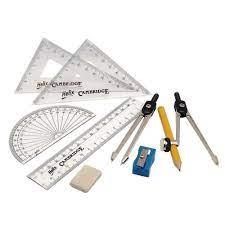
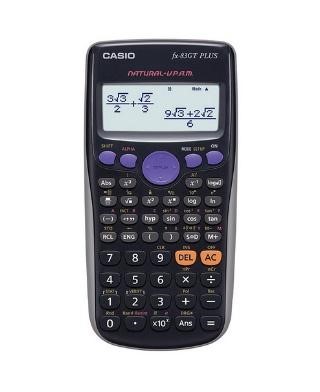
Aim of the curriculum is to create successful learners who are confident mathematicians. We want to equip them with the necessary mathematical skills needed to problem solve, reason mathematically and apply the skills in a wider context. Many students at Lealands are underprivileged and don’t always get the same opportunities as everyone else. Therefore, we plan to use technology, enrichment opportunities, trips and competitions within our curriculum to narrow the gap. The rationale behind our curriculum design includes trying to make learning stick by having a spiral curriculum. The five main areas of number, algebra, ratio, geometry, and data are taught in a cycle. Each time students revisit an area, they are exposed to more complex content, building on what they have already learnt. We ensure the level of challenge is high enough for the most able, with scaffold and support available for students who need it. We aim to provide a breadth of curriculum coverage whilst still providing opportunities for in-depth learning. Students learn maths cumulatively, building on and deepening their understanding of mathematical ideas and concepts that become increasingly complex. A coherent curriculum knows where students are in this progression of mathematics learning and understanding and builds upon it. That’s why our KS3 curriculum follows on from the KS2 curriculum, acknowledging what students should already know from their primary years, and covering all the knowledge and skills they need as a starting point for GCSE. |
|||||
|
Years of study |
7-11 (5 years ) |
|||||
|
Exam board |
Edexcel |
|||||
|
External websites utilised |
https://www.drfrostmaths.com/ |
|||||
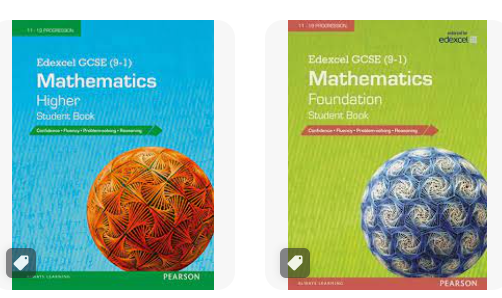
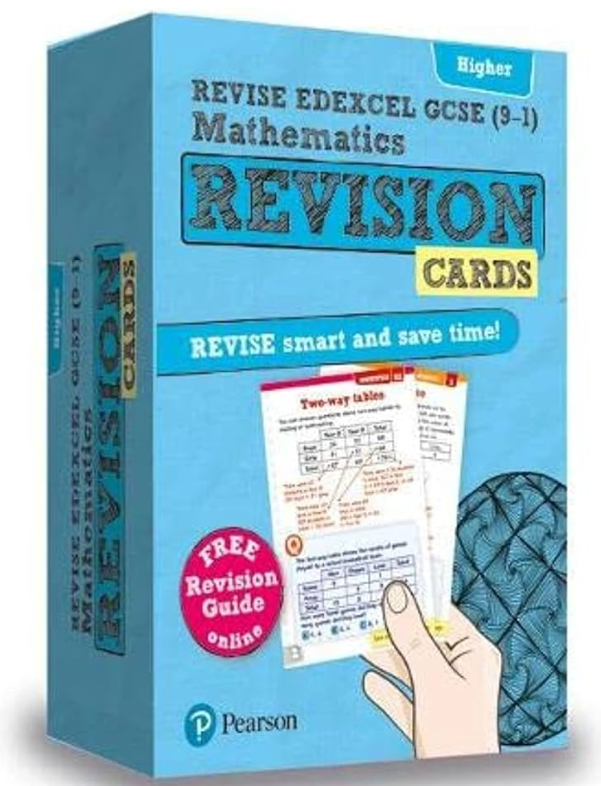
| Useful resources |
|
|||||
|
Years |
HT1 |
HT2 |
HT3 |
HT4 |
HT5 |
HT6 |
|
Year 7 |
Sequences, |
Place value & ordering integers & decimals, Fraction, Decimal & Percentage Equivalence |
Solving problems with addition & subtraction, |
Operations & equations with directed number, Addition & Subtraction of Fractions |
Constructing, measuring & using geometric notation, Developing geometric reasoning |
Developing number sense, Sets & probability, Prime numbers & proof |
|
Year 8 |
Ratio & Scale, Multiplicative Change, Multiplying and dividing fractions |
Working in the Cartesian plane, Representing Data, Tables & Probability |
Brackets, equations and inequalities, Sequences, Indices |
Fractions & Percentages, Standard Index Form, Number Sense |
Angles in parallel lines and polygons, Area of trapezia and circles, Line symmetry and reflection |
The data handling cycle, Measures of location |
|
Year 9 |
Straight line graphs |
3d shapes
|
Decimals
|
angles in parallel lines angle problems |
enlargement similarity ratio proportion compound measures speed distance and time graphs |
probability algebraic graphs: quadratic, reciprocal, simultaneous equations, represent inequalities |
|
Year 10 |
Negatives, Decimals, indices, prime factorisation, HCF & LCM, Algebra |
Expanding brackets Substitution writing expressions using formula Charts, Tables & Graphs |
Fractions & Percentages Equations Inequalities Sequences |
Angles Averages and the range |
Averages & the range Perimeter, Area and Volume |
Ratio and Proportion. Right angled triangles |
|
Year 11 |
Algebra Inequalities |
Standard form |
Volumes of cone & sphere |
Pythagoras Trigonometry
|
probability |
|
Music
|
Subject |
Music |
|||||
|
Director of PA Subject Lead |
Mrs S. Woolmer-Brennan Mr A. Gillon |
|||||
|
Subject Intent |
KS3 rotation - Year 7 and 8 Students study a range of units with the aim of developing their performance, composition and appraising skills. They will also develop key skills such as; teamwork, self-motivation among others during their performance & composition tasks. The first unit is the Elements of Music, and aims to get students using key terminology in a range of settings. The second unit looks at taking these ideas further whilst also looking at a specific genre - Classroom Jazz. KS3 - Year 9 (Options) & Year 9 (Rotation) Year 9 rotation looks at two units, the first being Rock & Folk, which links in the EDUQAS gcse music spec. The second unit is then Video Game Music, over this unit students will both perform and develop their compositional skills, importantly looking at more developed use of the software following on from Year 8. The year 9 options class has closer links to the GCSE spec and students will develop specifically their composition, performance and appraising skills. Importantly they will also start to learn and use ableton live - the software that they would be using during the GCSE music course. KS4 - Year 10 and 11 EDUQAS GCSE Music Component 1 - Performing: A minimum of two pieces, one of which must be an ensemble performance of at least one minute duration. The other piece(s) may be either solo and/or ensemble. One of the pieces performed must link to an area of study of the learner’s choice. Component 2 - Composing: Two compositions, one of which must be in response to a brief set by WJEC. Learners will choose one brief from a choice of four, each one linked to a different area of study. The briefs will be released during the first week of September in the academic year in which the assessment is to be taken. The second composition is a free composition for which learners set their own brief. Component 3 - Appraising: This component is assessed via a listening examination. Eight questions in total, two on each of the four areas of study.
Two of the eight questions are based on extracts set by WJEC. |
|||||
|
Years of study |
KS3 - Year 7 and 8 - 1 hour a week on rotation with Dance and Music KS3 - Year 9 - Option subject 2 hours a week KS4 - Year 10 and 11 - Options subject 3 hours a week |
|||||
|
Exam board |
Eduqas |
|||||
|
External websites utilised |
EDUQAS - https://www.eduqas.co.uk/media/by5boopf/eduqas-gcse-music-spec-from-2016-d.pdf |
|||||
|
Useful resources |
Year 7 Knowledge Organisers: Year 8 Knowledge Organisers Year 9 Knowledge Organisers Year 10 Knowledge Organisers https://docs.google.com/document/d/1edSl9VaXhKMf7ZUGQBpm03r5H-Ot4OVWNsPoGfFZu_M/edit Year 11 Knowledge Organisers https://docs.google.com/document/d/1edSl9VaXhKMf7ZUGQBpm03r5H-Ot4OVWNsPoGfFZu_M/edit |
|||||
|
Years |
HT1 |
HT2 |
HT3 |
HT4 |
HT5 |
HT6 |
|
Year 7 |
Elements of Music |
Rhythm & Meter |
Elements of music |
Rhythm & Meter |
Elements of music |
Rhythm & Metre |
|
Year 8 |
Form & Structure |
Hooks & Riffs |
Form & Structure |
Hooks & Riffs |
Form & Structure |
Hooks & Riffs |
|
Year 9 |
Rock & Folk |
Game Music |
Rock & Folk |
Game Music |
Rock & Folk |
Game Music |
|
Year 10 |
AOS 1 - Musical Forms & Devices |
AOS 4- popular Music |
AOS 3 - Film Music |
Aos 1 (Q1) /All areas of study -long answer |
AOS 2:Music for ensemble |
ASQ/All areas of study - long answer |
|
Year 11 |
Badninaire & Component 2 |
Toto & Component 2 |
AOS Mastery |
ASQ |
|
|
|
|
||||||
PE
|
Subject |
Physical Education |
|||||
|
Director of subject Deputy director of subject |
Mr S. Harnett Mr M. Gilbert |
|||||
|
Subject Intent |
All pupils at Lealands will have a broad and balanced curriculum, which has sufficient depth and breadth to enable our pupils to develop their full physical and mental confidence.
We aim to contribute to the overall education of young people by helping them to lead full and active lives through engaging in purposeful physical activity and sport.
As well as developing core skills and tactical awareness through various sporting activities, we are also concerned with the development of other educational qualities such as leadership, social and communication skills and problem solving skills.
We therefore see the variety of physical activity areas as a vehicle to develop and educate the ‘Whole Child’. Structured and developmental schemes of work provide for progression, challenge and a sense of achievement. |
|||||
|
Years of study |
KS3 - Year 7, 8 and 9 - 2 hours a week rotating through the activity rotations. Students in year 7, 8 and 9 will receive 2 hours of core PE a week. Students will practically perform and develop key skills and techniques in many different activities and develop these into games and individual activities. These skills and learning episodes will develop students' physical, mental and emotional wellbeing. KS4 - Year 10 and 11 - 1 hour of core PE a week This lesson will be based on either a games for understanding approach or a healthy active lifestyles appproach. Students will explore and develop tactical awareness in games and develop key skills of how to stay healthy and active for life in the healthy active lifestyles strand. KS4 - Year 10 and 11 - Options subject 3 hours a week + 1 hour core PE a week. |
|||||
|
Exam board |
GCSE PE - OCR (exam board) Paper 1 - Applied Anatomy and Physiology: The structure and function of the skeletal system The structure and function of the muscular system Movement analysis The cardiovascular and respiratory systems Preventing injury in physical activity and training The effects of exercise on the body systems Components of fitness Applying the principles of training Socio-cultural influences: Engagement patterns of different social groups in physical activities and sports Commercialisation of physical activity and sport Ethical and socio-cultural issues in physical activity and sport Paper 2 - Sports psychology concepts and application Health, fitness and well-being Practical activities will consist of: Practical content: Developing quality of skills, range of skills, physical attributes and decision making in; Rugby, Football, Netball, Basketball, Handball, Table Tennis and Swimming Pearson BTEC SPORT Tech Award level 1 / 2 The Tech Award gives learners the opportunity to develop sector-specific applied knowledge and skills through realistic vocational contexts. Learners will have the opportunity to develop applied knowledge and skills in the following areas:
|
|||||
|
External websites utilised |
BTEC SPORT - https://qualifications.pearson.com/en/qualifications/btec-tech-awards/sport-2022.html OCR GCSE PE - https://www.ocr.org.uk/qualifications/gcse/physical-education-j587-from-2016/ |
|||||
|
Years |
HT1 |
HT2 |
HT3 |
HT4 |
HT5 |
HT6 |
|
Year 7 |
Boys - Football, Basketball |
Boys - Swimming, Fitness |
Boys - Rugby, Badminton |
Boys Handball, Athletics, |
Boys Cricket, Softball |
Boys Table Tennis |
|
Year 8 |
Boys - Football, Basketball |
Boys - Swimming, Fitness |
Boys - Rugby, Badminton |
Boys Handball, Athletics, |
Boys Cricket, Softball |
Boys Table Tennis |
|
Year 9 |
Boys - Football, Basketball, |
Boys - Water Polo, Fitness |
Boys - Rugby, Badminton |
Boys - Handball, Athletics |
Boys - Cricket, Softball |
Boys - Table Tennis |
|
Year 10 |
Boys - Football Girls - Table Tennis |
Boys - Basketball Girls - Netball |
Boys - Water Polo Girls - Basketball |
Boys - Tchoukball Girls - Football |
Boys - Athletics Girls - Athletics |
Boys - Softball Girls - Rounders |
|
Year 11 |
Boys - Football Girls - Table Tennis |
Boys - Basketball Girls - Netball |
Boys - Water Polo Girls - Basketball |
Boys - Tchoukball Girls - Football |
Boys - Athletics Girls - Athletics |
|
Religion & Society
|
Subject |
Religion and Society |
|||||
|
Director of subject Deputy director of subject |
Mr P. White Miss H. Wenham and Mr J. Sharpe |
|||||
|
Subject Intent |
A spiralled curriculum merging learning in 3 key areas of student growth, PSHE, Citizenship and Religious Studies. The curriculum is arranged to build age-appropriate content from across the three disciplines. Encourage students to live healthy, safe, productive, proactive, responsible and balanced lives for themselves and be able to understand the society around them and their own role in it. The curriculum is accessible to all and develops the students spiritual, moral, cultural, mental and physical development. Representative of our context. Returning to key themes each year in more depth, such as human rights, politics, drug and alcohol education, mental health, religious beliefs in context. We also wish to promote good behaviour, positive character traits and transferable skills that will benefit them when they leave school. At KS3 & KS4: This is a non-examination subject, taught across both Key Stages in an age appropriate way. We follow advice from the DfE on PSHE, Citizenship and Religious Studies education and the PSHE Association. |
|||||
|
Years of study |
Compulsory at KS3 and 4 |
|||||
|
Exam board |
Not Applicable |
|||||
|
External websites utilised |
https://pshe-association.org.uk/ https://www.childnet.com/resources https://www.youngcitizens.org/ |
|||||
|
Useful resources |
https://www.nhs.uk/every-mind-matters/ https://www.familylives.org.uk/ https://www.ceopeducation.co.uk/ https://www.brook.org.uk/education/ https://www.safe4me.co.uk/portfolio/drugs/ |
|||||
|
Years |
HT1 |
HT2 |
HT3 |
HT4 |
HT5 |
HT6 |
|
Year 7 |
What is Religion and Society?Introduction to Judaism |
Introduction to Judaism
|
Drug and Alcohol Education |
First Aid - Common Injuries |
Careers |
Principles of Healthy Eating |
|
Year 8 |
What is Crime and the Law? |
Introduction to Christianity |
Drug and Alcohol Education |
Careers |
Non-religious world views
|
What is healthy living? |
|
Year 9 |
What is prejudice and discrimination? |
Introduction to Islam |
Drug and Alcohol Education |
Careers |
What are Human Rights? |
UK Government and elections |
|
Year 10 |
Introduction to Year 10 (Time management, Stress Management, Target setting etc) |
Matters of Life and Death |
Relationship and Sex Education |
Careers |
Migration |
Keeping safe in relationships |
|
Year 11 |
Welcome to Year 11 (healthy lifestyles, revision strategies, mock preparation and ) |
College Application Process |
Preparing for interviews |
Targeted Revision for Mock Exams |
Targeted Revision for final exams |
|
Science
|
Subject |
Science |
|||||
|
Director of subject |
Miss C Cole |
|||||
|
Subject Intent |
For students to build an understanding of the world through enquiry, problem solving, active involvement and the development of investigative skills; resulting in them achieving their maximum potential, to aid their future aspirations.
See the world through scientific eyes and develop an inquisitive nature. |
|||||
|
Years of study |
7-11 |
|||||
|
Exam board |
AQA trilogy combined science AQA biology AQA Chemistry AQA Physics |
|||||
|
External websites utilised |
https://senecalearning.com/en-GB/ Past exam papers https://www.aqa.org.uk/subjects/science/gcse/combined-science-trilogy-8464/assessment-resources Specification https://www.aqa.org.uk/subjects/science/gcse/combined-science-trilogy-8464/specification-at-a-glance Past papers, mark schemes and questions based on topic |
|||||
|
Useful resources |
Keycards app (Android & iPhone available) Past papers |
|||||
|
Years |
HT1 |
HT2 |
HT3 |
HT4 |
HT5 |
HT6 |
|
Year 7 |
Safety & particles |
Cells, tissues & organs |
Energy |
Chemical reactions |
Forces & motions |
Ecological Relationships & Classification |
|
Year 8 |
Light & space |
Atoms & the periodic table |
Digestion & nutrition Electricity & Magnetism |
Materials & The Earth |
Biological Systems & Processes |
Matter |
|
Year 9 |
Plants & Photosynthesis Forces in action |
Reactivity |
Energetics & Rates |
Sound waves |
B1 Cell biology |
B2 Organisation |
|
Year 10 |
B2 Organisation (Continued) B3 Infection & Response B4 Bioenergetics |
C1 Atomic structure and the periodic table C2 Bonding, structure and the properties of matter
|
C3 Quantitative chemistry C4 Chemicals changes C5 Energy changes |
P1 Energy |
P2 Electricity P3 Particle model of matter
|
P4 Atomic structure B5 Homeostasis and response
|
|
Year 11 |
B6 Inheritance and genetics B7 Ecology
|
C6 Rate and extent of chemical change C7 Organic chemistry C8 Chemical analysis C9 Chemistry of the atmosphere C10 Using resources |
P5 Forces P6 Waves P7 Magnetism and electromagnetism
|
CURE |
CURE |
|
Sociology
|
Subject |
Sociology |
|||||
|
Director of subject |
Mr P. White |
|||||
|
Subject Intent |
Sociology is a subject that students can not study until Year 10 as a GCSE. The subject of sociology enables students to understand the structure of society and the connections and patterns of human behaviour. The GCSE course is designed to give students the opportunity to draw on their own experience of the social world, whilst encouraging them to build on this knowledge by analysing and reflecting on different aspects of society and the opinion of others. We aim to develop a deeper level of thinking and questioning in students, in order to fully engage them in the multifaceted and thought provoking topics we will investigate. Students are expected to develop strong knowledge and understanding of:
Skills developed by studying sociology are applicable to many areas of work. It allows students to develop teamwork, self-dependence and autonomy skills. It will enhance their willingness and ability to try to see the world from other people’s perspectives and to form well rounded, critical opinions of their own. |
|||||
|
Years of study |
Option at GCSE |
|||||
|
Exam board |
AQA |
|||||
|
External websites utilised |
Seneca https://www.youtube.com/watch?v=pORmot5WUM4&list=PLZA1J-rBdlYlDvfdgPWl40yrRkCXvwP-v |
|||||
|
Useful resources |
Grade 9-1 GCSE Sociology AQA All-in-One Complete Revision and Practice (ISBN: 978-0-00-822745-6)
AQA GCSE (9-1) Sociology - AQA GCSE 9-1 Sociology Exam Practice Papers (ISBN: 978-0-00-826476-5) |
|||||
|
Years |
HT1 |
HT2 |
HT3 |
HT4 |
HT5 |
HT6 |
|
Year 10 |
Introduction to Sociology |
Sociological Methods |
Sociology of the Family and Households |
Sociology of the Family and Households |
Sociology of Education |
Sociology of Education |
|
Year 11 |
Sociology of Crime and Deviance |
Sociology of Crime and Deviance |
Social Stratification |
Social Stratification |
Focused exam preparation |
|
Spanish
|
Subject |
Spanish |
|||||
|
Director of subject |
Mr K. Marie |
|||||
|
Subject Intent |
As a Languages department, we aim to continually raise academic standards for all our students by maintaining high expectations of both staff and students in order that all are motivated to learn a language, enhance their curiosity of different cultures and take pride in their work. Through our varied curriculum, we strive to
In order to achieve this, the languages department is committed to:
|
|||||
|
Years of study |
Years 7, 8, 9, 10 and 11 |
|||||
|
Exam board |
AQA - 8692 |
|||||
|
External websites utilised |
||||||
|
Useful resources |
||||||
|
Years |
HT1 |
HT2 |
HT3 |
HT4 |
HT5 |
HT6 |
|
Year 7 |
Personal Details |
Personal Details Free Time |
Free Time |
Free Time School |
School |
Family |
|
Year 8 |
Holidays |
Holidays Free Time |
Free Time |
Free Time Diet |
Diet |
Social Life |
|
Year 9 |
Free Time and Holidays |
Free Time and Holidays |
Studies and Life at School |
Studies and Life at School |
People and Technology |
People and Technology |
|
Year 10 |
Interests and Influences |
Interests and Influences |
Town and Local Area |
Town and Local Area |
Food and Celebrations |
Food and Celebrations |
|
Year 11 |
Jobs and Education Post-16 |
Jobs and Education Post-16 |
Social and Global Issues |
Social and Global Issues |
Exam Preparation and Past Papers |
|